 Türkçe
 English
 Deutsch
Team-Based Planning, Forecasting and Resource Management with Jira Epics
How we manage capacity, delivery forecasts and resources through Jira epics when several teams work toward the same goal.

Epics: the common unit of planning
Epics represent a measurable outcome that spans multiple sprints. When teams, managers and business units talk in the same unit, planning meetings rely on data rather than guesswork.
Team-based capacity
Each team’s capacity is defined by its sprint length and historical velocity. When epics are assigned to teams, it becomes visible at the planning stage which team is overloaded and which work is at risk.
Forecasting: when will it be done?
Combining story point estimates with each team’s actual velocity lets you calculate realistic completion dates per epic. With Jira Plans (Advanced Roadmaps), you can compare scenarios without saving them and choose the best plan.
“A good forecast doesn’t promise a fixed date; it shows how the plan changes when an assumption changes.”
Resource management and dependencies
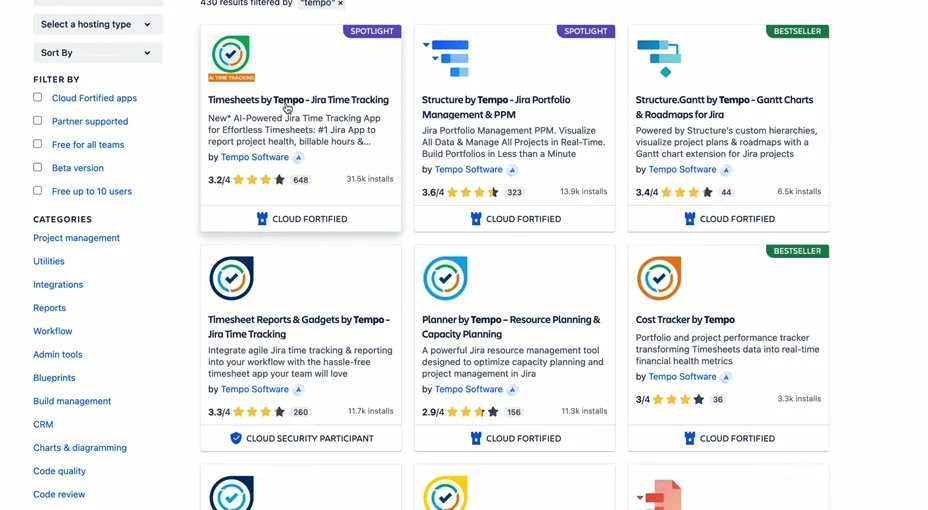
Visualizing cross-team dependencies on the plan makes the critical path clear. Apps such as Tempo can be integrated for person-level resource planning and time tracking.
Practical tips
- Define epics around outcomes, not activities
- Update estimates at the end of every sprint
- Adjust capacity based on actual data
- Review the plan weekly with stakeholders